


News
The Vaccination Subsidy Scheme 2026/27
The Vaccination Subsidy Scheme 2026/27 has launched. Eligible persons can present relevant supporting document to receive influenza vaccination subsidy at Blue Care Medical Centre without extra charge._The eligible groups are Hong Kong residents who are:– Pregnancy women– Aged 50 years or above– Children between 6 months tounder 18 years or attending secondary schools in Hong Kong– Persons receiving disability allowance– Persons with Intellectual Disability– Persons who are recipients of standard rate of “100% disabled” or “requiring constant attendance” under Comprehensive Social Security Assistance– Persons aged 18 to 49 years with specified chronic medical conditions-Please contact Blue Care for vaccination appointment.-Central clinic Tel : 2523 1808Address : 10/F, 33 Des Voeux Road Central, Central, Hong Kong(MTR Central Station Exit “B” or Hong Kong Station Exit “C”)-Kwun Tong clinic Tel : 2523 9383Address: Unit 2802, 28/F, BEA Tower, Millennium City 5, 418 Kwun Tong Road, Kowloon (MTR Kwun Tong Station Exit “A2”)-For more details, please click:Possible Side Effects of Influenza VaccineFAQs on Flu Vaccine (Source: Hong Kong Department of Health)
Trivalent Influenza Vaccine 2026/27
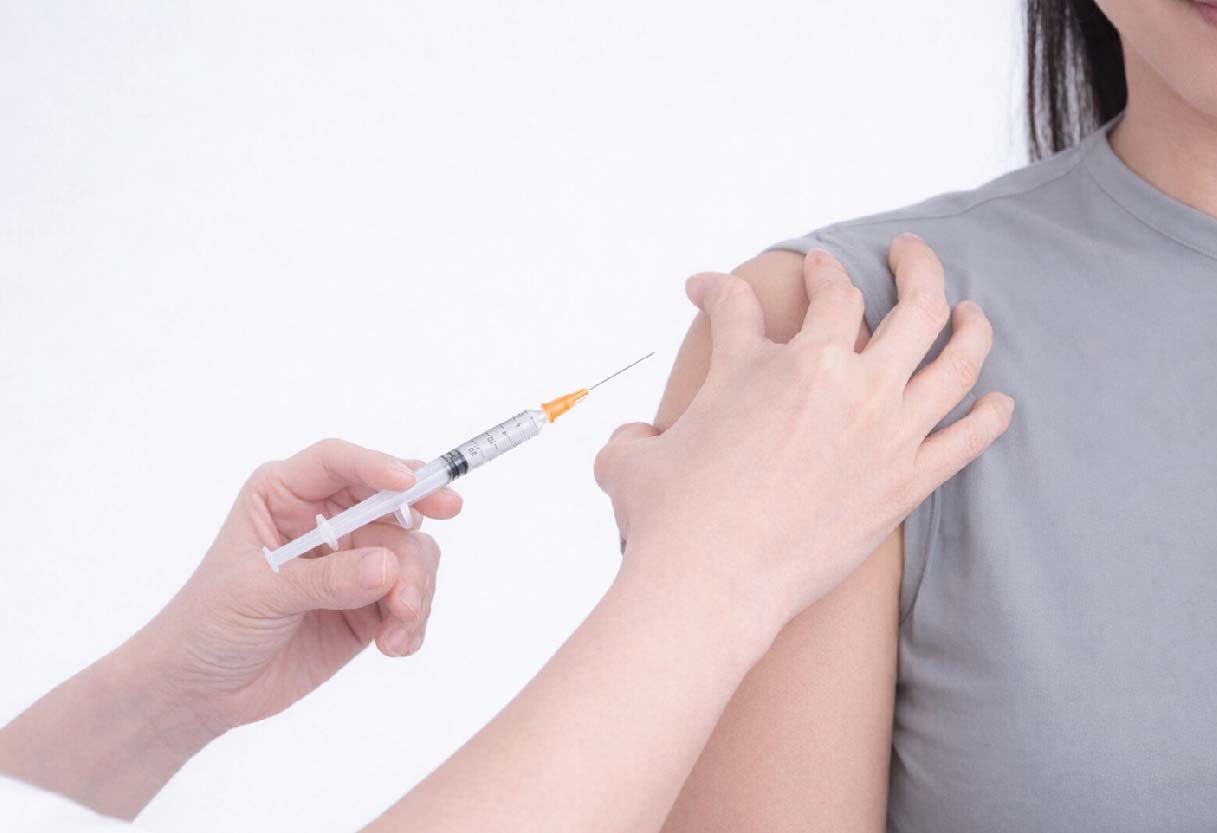
The latest Trivalent influenza vaccination service is available in September at Blue Care.-Influenza is an acute illness of the respiratory tract caused by influenza viruses. It can be caused by various types of influenza viruses. In Hong Kong, the two subtypes of influenza A virus, H1N1 and H3N2, and influenza B virus, are most commonly seen. Influenza occurs in Hong Kong throughout the year, but is usually more common in periods from January to March/April and from July to August.-Since it takes about two weeks after vaccination for antibodies to develop in the body and provide protection against influenza virus infection, it is advised to get vaccinated at least two weeks before the arrival of winter influenza season to protect family and friends.-Blue Care offers both Inactivated Influenza Vaccine and Recombinant Influenza Vaccine vaccination services. The Inactivated Influenza Vaccine, manufactured by GSK, is produced using egg-based technology and is suitable for individuals aged 6 months and above. The Recombinant Influenza Vaccine, manufactured by Sanofi, is produced using recombinant technology and is suitable for individuals aged 9 years and above.-
Blue Care have joined CDCC Scheme
The Chronic Disease Co-Care Pilot Scheme (CDCC Scheme) promotes the concept of “one person, one family doctor” by providing screening services for chronic diseases (including diabetes and hypertension), as well as lipid testing, to more comprehensively assess and manage cardiovascular risk factors, including the “three highs” (high blood pressure, high blood sugar, and high cholesterol). Eligible residents can enroll in the scheme and choose their own family doctor, receiving subsidies that cover part of each consultation fee to help reduce healthcare expenses.- I. CDCC Scheme (“Blood glucose, Blood pressure, Blood Lipids”Screening)1. Hong Kong residents* aged 45 or above; and2. No known medical history of diabetes mellitus or hypertension3. Have enrolled in the eHRSS and registered as a DHC/DHCE member-I. Hepatitis B Co-care Scheme1. Hong Kong residents* born in or before 1988 (that is the year of the introduction of universal childhood hepatitis B immunisation programme); and2. Whose family members (including parents, siblings and offspring) or sexual partners have chronic hepatitis B; andNo known medical history of chronic hepatitis B nor related symptoms; and3. Have not received a complete course of hepatitis B vaccination-* Holding (1) a valid Hong Kong Identity Card within the meaning of the Registration of Persons Ordinance (Cap. 177), except those who obtained their Hong Kong Identity Card by virtue of a previous permission to land or remain in Hong Kong granted to them and such permission has expired or ceased to be valid, or (2) a valid Certificate of Exemption within the meaning of the Immigration Ordinance (Cap.115)-Blue Care Medical’s team-have joined the CDCC Scheme. Eligible residents can register member as a DHC/DHCE-to arrange further medical consultation.-Please visit the-CDCC website-for more details.
GOPC Public-Private Partnership Programme (GOPC PPP)
In order to promote the concept of family doctors and help relieving demand on public health services, Blue Care's Central Clinic supports the General Outpatient Clinic Public Private Partnership Programme (“GOPC PPP”) launched by the Hospital Authority (“HA”). The GOPC PPP is planned to conclude in 2028. Participating patients will be invited in phases to join the Chronic Disease Co-care Scheme and continue to receive comprehensive care from family doctors in the community.-Please click here to visit GOPC PPP website for more details.
Special Service Arrangements under Extreme Weather Conditions

Tropical Cyclone WarningIf Typhoon Signal No. 8 or above is issued, Blue Care Medical Centres will be closed-while the warning signal is in force.-Depending on the traffic and weather conditions, we will resume services gradually in 2 hours after the Typhoon Signal No. 8 or above is cancelled.-Black Rainstorm Warning SignalIf Black Rainstorm Warning Signal is issued before the clinic session, Blue Care Medical Centres will be closed-while the warning signal is in force. However, clinic remains openif he Black Rainstorm Signal is issued during the clinic session.-Depending on the traffic and weather conditions, we will resume normal services as soon as possible in 2 hours after the Black Rainstorm Warning Signal is cancelled.-Patients who have made their clinic appointments are advised to contact and confirm with the clinic before arrival, and clinic staff will contact the booked appointments for rearrangement.
Adjustment of Consultation Fee 2026

Please informed that new consultation fee will be adjusted as follows with effective 1 January 2026 :-ClinicNew consultation fee (HK$)Central$550 (exclude any medication) Kwun Tong$420 (include 3 days’ basic medication)-Please click here-for more details.-Central clinic Tel : 2523 1808Address : 10/F, 33 Des Voeux Road Central, Central, Hong Kong(MTR Central Station Exit “B” or Hong Kong Station Exit “C”)-Kwun Tong clinic Tel : 2523 9383Address: Unit 2802, 28/F, BEA Tower, Millennium City 5, 418 Kwun Tong Road, Kowloon (MTR Kwun Tong Station Exit “A2”)
Heat Exhaustion vs. Heat Stroke: Understanding the Differences and Risks
![[Jun] Blog 2 - Featured Image_R0 (EN)](/Upload/news/36/thumbnail/0a629a4684b74ddda7a3e47b9f9a6309.jpg)
In recent years, Hong Kong's weather has become increasingly hot, with 2024 marking a record-breaking year for high temperatures in the city. According to reports, Hong Kong broke 35 temperature records, reaching highs of 35.7 °C in 2024, making it the hottest year in the city's history . This trend is concerning, especially given the potential risks of heat-related illnesses.-Outdoor workers are particularly vulnerable to these conditions. A survey revealed that 60% of Hong Kong’s outdoor workers experience symptoms of heat stroke. Heat stroke and heat exhaustion are two serious health concerns that can arise from prolonged exposure to extreme heat. Therefore, understanding these conditions can help reduce the risk of heat-related illnesses.-What is Heat Exhaustion?Heat exhaustion is a condition that results from prolonged exposure to high temperatures, typically accompanied by dehydration. It is often seen in situations where a person is exposed to excessive heat for an extended period or engages in strenuous physical activities in hot weather. -What Are the Symptoms of Heat Exhaustion?The body loses a significant amount of water and salt, which can lead to the onset of symptoms such as:·Heavy sweating·Dizziness or light-headedness·Nausea or vomiting·Headache·Fainting or weakness-Several factors can increase the risk of heat exhaustion, including:·High humidity: Elevated humidity levels can prevent sweat from evaporating efficiently, making it harder for the body to cool down.·Strenuous physical activity: Engaging in physical exertion during hot weather, particularly for prolonged periods, places additional strain on the body’s ability to regulate temperature.·Wearing heavy clothing: Clothing that traps heat and prevents the evaporation of sweat can exacerbate the symptoms of heat exhaustion.-If left untreated, heat exhaustion can escalate into more severe heat-related conditions, including heat stroke.-What is Heat Stroke?Heat stroke is a much more severe condition than heat exhaustion. It occurs when the body’s core temperature rises to dangerously high levels, typically above 40°C (104°F) . This condition is a medical emergency and requires immediate intervention. -What Are the Symptoms of Heat Stroke?·Symptoms of heat stroke include:·Confusion or altered mental state· Slurred speech· Rapid or weak pulse· Hot, dry skin (lack of sweating)· Loss of consciousness or fainting-Heat stroke is a life-threatening condition, and if not treated immediately, it can cause organ damage or even be fatal. It typically occurs when heat exhaustion is left untreated, and the body’s cooling mechanisms fail to keep up with the rising temperature.-How to Prevent Heat Stroke & Heat ExhaustionPreventing heat stroke and heat exhaustion is critical, especially during periods of extreme heat. Below are several preventive measures that can help reduce the risks:-Stay hydratedIt is essential to drink plenty of fluids, especially water, to avoid dehydration. Water helps regulate body temperature and replace fluids lost through sweating. Electrolyte-rich drinks can also help maintain the balance of salts and minerals in the body.Wear appropriate clothingLoose-fitting, light-colored clothing allows for better air circulation and helps keep the body cool. Additionally, wearing hats or using sunscreen can protect the skin from the harmful effects of the sun.Limit physical activityAvoid strenuous outdoor activities during the hottest parts of the day, typically between 10 a.m. and 4 p.m. If physical activity is necessary, take frequent breaks and rest in the shade or a cool area.Use fans and air conditioningWhenever possible, stay indoors in air-conditioned spaces or use fans to help cool the environment. This is especially important for vulnerable groups, such as children, the elderly, or individuals with pre-existing health conditions.Monitor vulnerable groupsEnsure that young children, the elderly, and individuals with chronic health conditions are closely monitored during extreme heat. They are more susceptible to heat-related illnesses and may not be able to regulate their body temperature effectively.-What to Do in Case of Heat ExhaustionIf someone shows symptoms of heat exhaustion, it is important to act quickly:Assist the person to a cooler environmentRelocate them to a shaded or air-conditioned area to help lower their body temperature.Provide cool waterOffer small sips of cool water to help rehydrate the individual. Avoid offering drinks that contain caffeine or alcohol, as they can dehydrate the body further.Encourage restAllow the personto rest and recover in a cool environment. Avoid any further physical exertion until they have fully recovered.-If the symptoms worsen or do not improve with these steps, seek medical attention immediately, as heat exhaustion can escalate into heat stroke.-What to Do in Case of Heat StrokeHeat stroke is a medical emergency. If heat stroke is suspected, follow these steps:Call emergency services immediatelyHeat stroke requires urgent medical attention. Call 999 or your local emergency number to get immediate help.Cool the person downWhile waiting for medical help, attempt to cool the person down by moving them to a shaded or air-conditioned area. Use cool water, ice packs, or fans to reduce their body temperature. Ice packs should be placed on areas like the armpits, groin, neck, and wrists, as these areas contain large blood vessels that can help cool the body more effectively.Do not attempt to give fluidsUnlike heat exhaustion, individuals with heat stroke may be unconscious or unable to swallow, so avoid giving them any fluids.-Prompt action is critical to prevent long-term damage or death from heat stroke.-What is the Difference Between Heat Exhaustion and Heat StrokeUnderstanding the key differences between heat stroke and heat exhaustion is crucial for proper identification and effective management of these conditions. The main distinctions lie in core temperature, symptoms, severity, and treatment.-ConditionHeat ExhaustionHeat StrokeCore TemperatureLess than 40°C (104°F) Above 40°C (104°F)SymptomsHeavy sweating, dizziness, nausea, fatigueConfusion, slurred speech, hot skin (lack of sweating),unconsciousnessSeverityLess severe, but can progress to heat strokeLife-threatening, requires immediate medical attentionTreatmentRest, oral hydration, and a cool environmentImmediate medical attention with intravenous fluid, and cooling the body down with ice packs-It is important to note that while heat exhaustion can often be managed with rest and hydration, heat stroke is an emergency situation requiring immediate intervention.-Staying Safe in Extreme Heat: Key TakeawaysRecognizing the symptoms of heat stroke and heat exhaustion, and understanding the differences between these two conditions, is essential to staying safe in extreme heat. Proactive measures, such as staying hydrated, wearing appropriate clothing, and limiting physical activity during the hottest parts of the day, can significantly reduce the risks. In cases where these conditions do occur, swift action is required to prevent further harm. -By being aware of the symptoms and treatment strategies for heat-related illnesses, you can protect yourself and your loved ones from the dangers of heat stroke and heat exhaustion.-Blue Care Consultation ServicesBlue Care Medical Centres staffed with highly qualified family doctors provide family doctor consultation.-For appointment, please contact Blue Care Medical Centre.-Central clinic Tel : 2523 1808Address : 10/F, 33 Des Voeux Road Central, Central, Hong Kong(MTR Central Station Exit “B” or Hong Kong Station Exit “C”)-Kwun Tong clinic Tel : 2523 9383Address: Unit 2802, 28/F, BEA Tower, Millennium City 5, 418 Kwun Tong Road, Kowloon (MTR Kwun Tong Station Exit “A2”)-Reference:1. Earth.org. (2025). Hong Kong breaks 35 temperature records in 2024, hottest year in city's history. Retrieved from https://earth.org/hong-kong-breaks-35-temperature-records-in-2024-hottest-year-in-citys-history/2.Hong Kong Free Press. (2023). 60% of Hong Kong outdoor workers suffer heatstroke symptoms despite new warning system, survey finds. Retrieved from https://hongkongfp.com/2023/09/06/60-of-hong-kong-outdoor-workers-suffer-heatstroke-symptoms-despite-new-warning-system-survey-finds/3.Mayo Clinic. (2024). Heat stroke: Symptoms, causes, and treatment. Retrieved from https://www.mayoclinic.org/diseases-conditions/heat-stroke/symptoms-causes/syc-20353581
Hepatitis in Hong Kong: A Complete Guide to the Different Types and How to Protect Yourself
![[Nov] Blog 2 - Featured Image_R0 (EN)](/Upload/news/22/thumbnail/7c31c3e909d0405384d2d686126b3f9b.jpg)
Hepatitis is quietly shaping up to be one of Hong Kong’s pressing health issues, affecting many across the city. This viral disease can cause liver inflammation and can also lead to severe, life-threatening complications if left untreated. With types like hepatitis A, B, C, and E, each form carries distinct risks and spreads in different ways, making awareness essential. Statistics show that about 8-10% of the Hong Kong populationare chronic carriers of the hepatitis B virus. Chronic hepatitis B is particularly dangerous, contributing to over 70% of liver cancer cases in the region. -What is Hepatitis?Hepatitis refers to inflammation of the liver tissue, which typically results from a viral infection. This inflammation can damage liver cells and impair liver function, which is crucial in metabolism, detoxification, and immunity. When hepatitis leads to chronic liver inflammation, it can cause scarring (fibrosis) and eventually cirrhosis, where healthy liver tissue is replaced by scar tissue, severely compromising liver function. In severe cases, hepatitis may lead to liver failure or liver cancer.-Hepatitis TypeHepatitis viruses are classified into several types, with hepatitis A, B, C, and E being the most common in Hong Kong. Hepatitis D and hepatitis G are less familiar. Each type of hepatitis virus has different modes of transmission and impacts on health. While hepatitis A and E are generally acute and do not lead to chronic disease, hepatitis B and C are more likely to become chronic, especially if not detected and managed early. -Hepatitis A and Hepatitis EHepatitis A and hepatitis E share similar modes of transmission, primarily spreading through the consumption of contaminated water or food, particularly shellfish. In Hong Kong, hepatitis A and E are less common than hepatitis B, but cases are still reported annually. In 2022, Hong Kong recorded 22 cases of hepatitis A and 57 cases of hepatitis E , a reminder that attention to this virus is still needed.-Both hepatitis A and E typically present as acute infections, causing symptoms like fatigue, nausea, and jaundice (yellowing of the skin and eyes). Still, they do not lead to chronic liver disease. Most individuals recover fully without special treatment, though those with weakened immune systems or individuals who have had organ transplants might experience more severe effects. While hospitalization is not generally required, those infected are advised to monitor their symptoms and avoid any substances that could strain the liver, such as alcohol.-Prevention of Hepatitis A and EReducing the risk of hepatitis A and E is mainly about good hygiene and food safety. Here are some effective prevention methods:-●Thoroughly Cooked Food: Always ensure food, especially seafood, is cooked thoroughly to eliminate potential pathogens.●Avoid Street Food from Unlicensed Vendors: Stick to reputable food establishments and avoid eating from illegal food vendors or hawkers, where food safety standards may be lower.●Regular Hand Washing: Washing hands with soap and water before handling food or after using the restroom is essential in preventing viral transmission.● Hepatitis A injection : Hepatitis A vaccination is effective to prevent HBV infection. Blue Care provides Hepatitis A vaccination services. Click here-to contact Blue Care.-For individuals at higher risk—such as those with chronic liver disease, healthcare workers, food handlers, or people who travel to regions where hepatitis A is prevalent (Indian subcontinent, Africa, Central and South America) ,—vaccination is recommended. Those who use injected medications or illicit drugs or are men who have sex with men or multiple sexual partners should also consider the hepatitis B vaccine. Vaccination is an effective way to protect against hepatitis A and B, but no vaccine is available for hepatitis C and E, making preventive hygiene measures especially important.-Hepatitis B and Hepatitis CHepatitis B and C are primarily spread through blood and bodily fluids, making them more challenging to prevent than hepatitis A and E.-●Hepatitis B Transmission: Hepatitis B can spread through sexual contact, sharing injection instruments, and from an infected mother to her child during delivery. Additional routes include tattooing, ear piercing, and acupuncture if proper sterilization is not observed. Around 8-10%are chronic carriers of hepatitis B, putting them at a higher risk for developing cirrhosis or liver cancer. Chronic hepatitis B is also commonly asymptomatic, meaning carriers may unknowingly spread the virus to others.-●Hepatitis C Transmission: Hepatitis C is transmitted mainly through blood, such as transfusions or shared needles, and less commonly through sexual contact. In Hong Kong, about 0.5% of the population are chronic carriers of hepatitis C . Unlike hepatitis B, hepatitis C does not have a vaccine, making prevention efforts critical. Both hepatitis B and C can lead to long-term liver damage, and symptoms are often mild or non-existent in the early stages. -Blood test is required to diagnose hepatitis B-The test generally consists of blood tests on hepatitis B surface antigen (HBsAg) and hepatitis B surface antibody (anti-HBs)-Hepatitis B surface antigen (HBsAg)- People with a positive HBsAg result are currently infected with HBV and should seek medical consultation as soon as possible.- If HBsAg result is positive for more than 6 months after HBV infection, this means CHB has developed.-Hepatitis B surface antibody (anti-HBs)- A positive anti-HBs result means that the person has adequate hepatitis B antibodies for protection against HBV infection.- Protective antibodies can be acquired after hepatitis B vaccination or recovery from past HBV infection.-Blue Care provides regular check-up and vaccination services. Click here-to know more credit card check up plan details.-What Should You Do if You Have Viral Hepatitis?If you have been diagnosed with viral hepatitis, specific lifestyle changes can help manage the condition and support liver health:●Avoid Alcohol: Alcohol accelerates liver damage, especially for patients who have hepatitis. Abstaining from alcohol allows the liver to focus on healing and limits additional stress on the organ.●Maintain a Balanced Diet: Consuming a well-rounded diet, rich in vitamins and minerals, supports immune function and overall liver health. A diet low in fats and sugars is particularly beneficial.●Quit Smoking: Smoking introduces harmful toxins to the body, which the liver must filter. By quitting, you reduce the liver’s workload and give it a better chance to recover and function effectively.-Staying One Step Ahead of HepatitisHepatitis remains a significant health concern in Hong Kong, with various types posing risks to the community. Understanding the different types of hepatitis, how they spread, and the best prevention strategies is essential to protecting your health. Hepatitis A and E are mainly preventable through good hygiene and mindful food choices, while hepatitis B and C require caution around exposure to blood and bodily fluids. By practicing safe habits and getting vaccinated when appropriate, you can take steps to protect both yourself and those around you from hepatitis.-Remarks:1. Source : Men's Health Line - Viral Hepatitis. (2024). Centre for Health Protection. https://www.chp.gov.hk/en/static/80064.html2. Source : Understanding Hepatitis. (2023). Red Cross. https://www.redcross.org.hk/sites/redcross/files/media/hcs_files/HE%20202307%20%E8%AA%8D%E8%AD%98%E8%82%9D%E7%82%8E%20%20Understanding%20Hepatitis%20ENG.pdf3. Source : Surveillance of Viral Hepatitis in Hong Kong. (2023). Centre for Health Protection. https://www.chp.gov.hk/files/pdf/surveillance_of_viral_hepatitis_in_hk_2022_full_report.pdf4. Source : Hepatitis (2022). NHS. https://www.nhs.uk/conditions/hepatitis/5. Source : Hepatitis A and E Treatment. (2024). John Hopkins Medicine. https://www.hopkinsmedicine.org/health/conditions-and-diseases/hepatitis/hepatitis-a/hepatitis-a-and-e-treatment